Growing Big Tech Interest in Nuclear Power
Growing Big Tech Interest in Nuclear Power
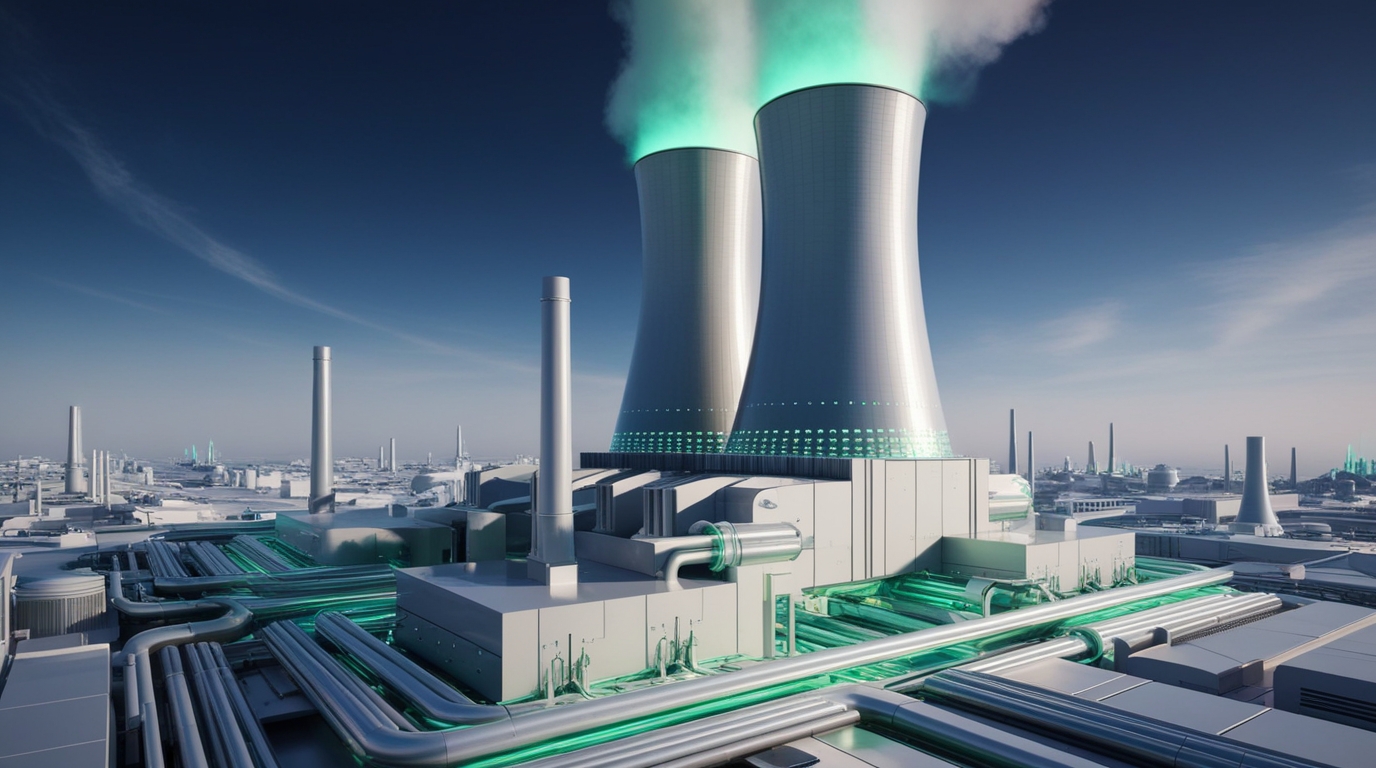
A response to carbon emissions
The energy challenges of data centers continue to increase. With the rise of artificial intelligence, technology companies are facing record electricity demand. To respond to this situation, companies like Amazon, Microsoft And Google are turning to nuclear energy, which could both power their energy-intensive facilities and contribute to their climate goals.
Strategic agreements to promote nuclear energy
- In 2023, Amazon and Microsoft signed agreements with American nuclear power plants.
- Microsoft plans to relaunch the central Three Mile Island by 2028.
- Amazon Web Services acquired a data center campus powered by the power plant of Susquehanna.
These cooperations demonstrate a growing trend to revisit and revitalize the American nuclear fleet, often criticized because of its tumultuous recent past.
The Benefits of Nuclear Power for Data Centers
Data centers require a constant source of energy to operate efficiently, and nuclear power provides this stability. Unlike renewable energies like wind and solar, which depend on weather conditions, nuclear reactors provide continuous power. This need for electricity never stops, even when offices are closed.
Mark Morey, advisor to theEnergy Information Administrationsays that “nuclear power pairs well with data centers because they virtually need electricity 24/7.”
Reduce environmental impact
In their quest for net zero carbon dioxide emissions, tech giants face a daunting challenge. The rise of new AI tools has led to an increase in greenhouse gas emissions. By integrating nuclear energy into their energy mix, these companies hope to reduce their carbon footprint.
A new paradigm for nuclear energy
The current nuclear power situation in the United States looks, surprisingly, more promising than it did a few years ago. Projects around small modular reactors are underway, promoting flexibility and reducing construction costs.
- These new reactors could meet fluctuating electricity demand.
- They are about a tenth to a quarter the size of older reactors.
Investments for the future
Bill Gates, through his company TerraPowerplays a key role in the development of these innovative nuclear technologies. With forecasts indicating that US nuclear capacity could triple by 2050, it is clear that the transition to cleaner energy is viewed with optimism.
Challenges: A road strewn with pitfalls
However, this ambition faces obstacles. The construction of new reactors and the reopening of closed power plants must go through strict regulations. Delays and cost spikes are realities of today’s market. Local communities are also concerned about the impact of uranium mining and radioactive waste storage.